A drill bit size guide helps beginners pick the right bit fast for any material or screw.
I’ve spent years fixing things and teaching new DIYers how to use tools safely. This drill bit size guide for beginners will walk you through size systems, matching bits to materials, measuring bits, and picking pilot holes. Read on to gain clear, usable steps and confident choices for every drilling job.
Why drill bit size matters
Choosing the right drill bit size prevents broken screws, split wood, stripped holes, and wasted time. A correct bit gives clean holes and solid fastener grip. This drill bit size guide for beginners explains why size matters and how small choices affect strength and finish.
Common drill bit types and when to use them
Knowing bit types helps you match shape and coating to the job. Each bit acts differently in wood, metal, tile, or masonry.
- Twist bits: Best for general wood and metal work. Good all-rounders for beginners.
- Brad-point bits: Ideal for wood; they give clean starts and precise holes.
- Spade bits: Fast wood removal for larger holes. Rougher finish.
- Forstner bits: Flat-bottomed holes for hardware and clean finishes in wood.
- Masonry bits: Use for concrete, brick, and stone with hammer action.
- Cobalt and carbide bits: Hard metals like stainless steel and tile. Use low speed and steady pressure.
- Step bits: Great for thin sheet metal and multiple hole sizes in one bit.
- Countersink bits: Create a recess for screw heads to sit flush.
This drill bit size guide for beginners covers the basic types so you pick the right tool quickly.

Drill bit size systems and quick conversions
Sizes come in three common systems. Learn all three to avoid mistakes.
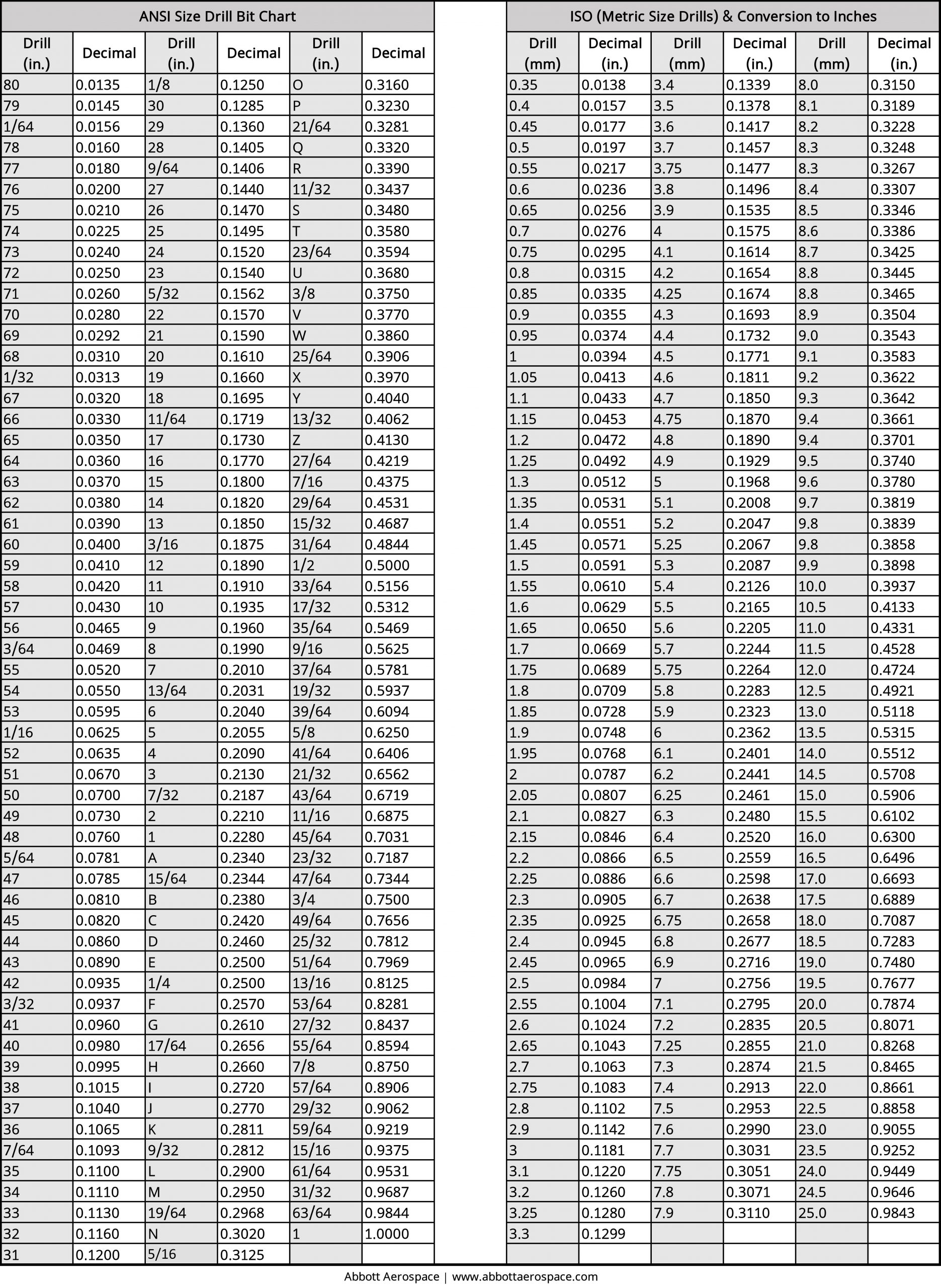
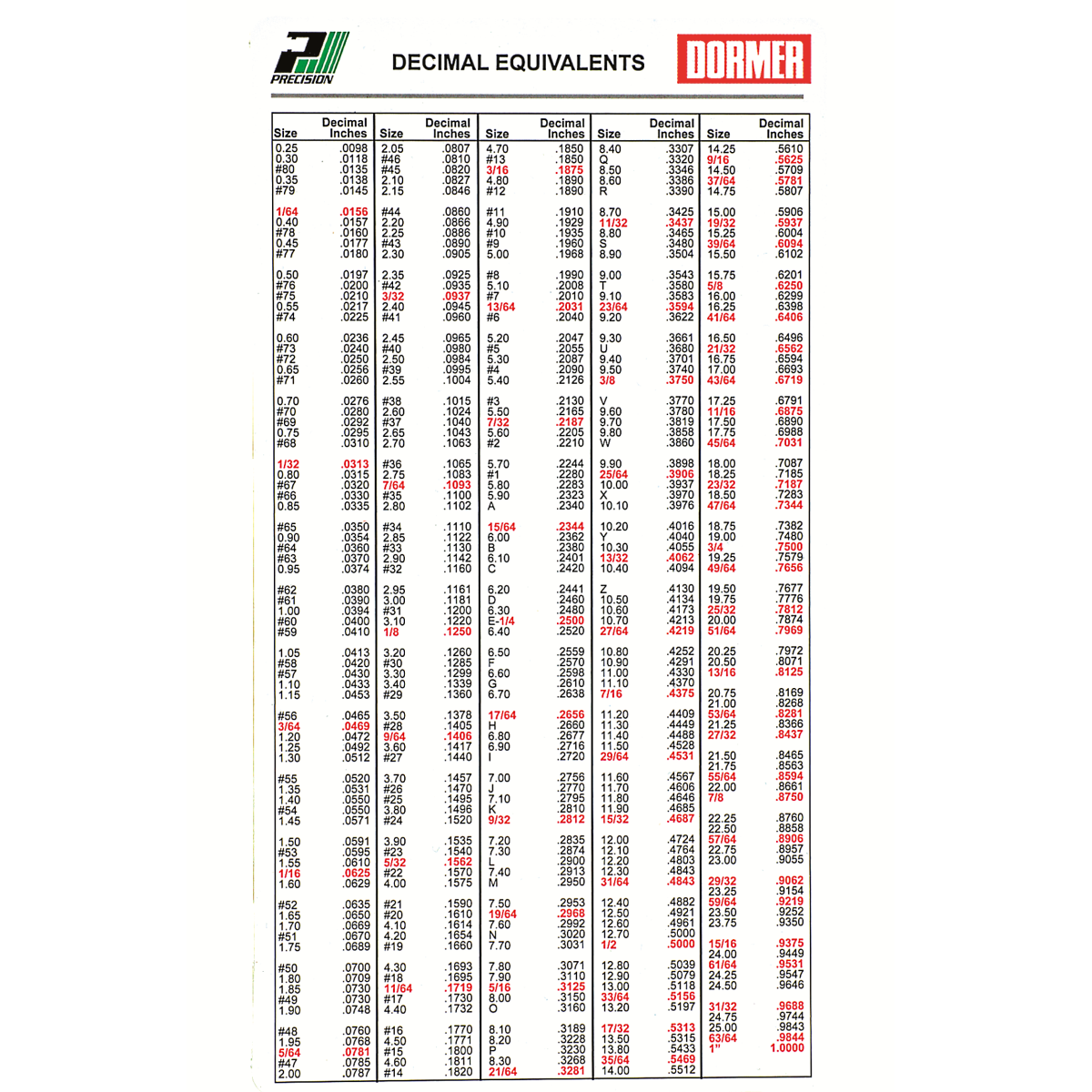
- Fractional inches: Common in the US for large diameters (for example, 1/4", 3/8").
- Number and letter gauges: Small bits use numbered sizes 1–60; letters A–Z cover mid-range sizes.
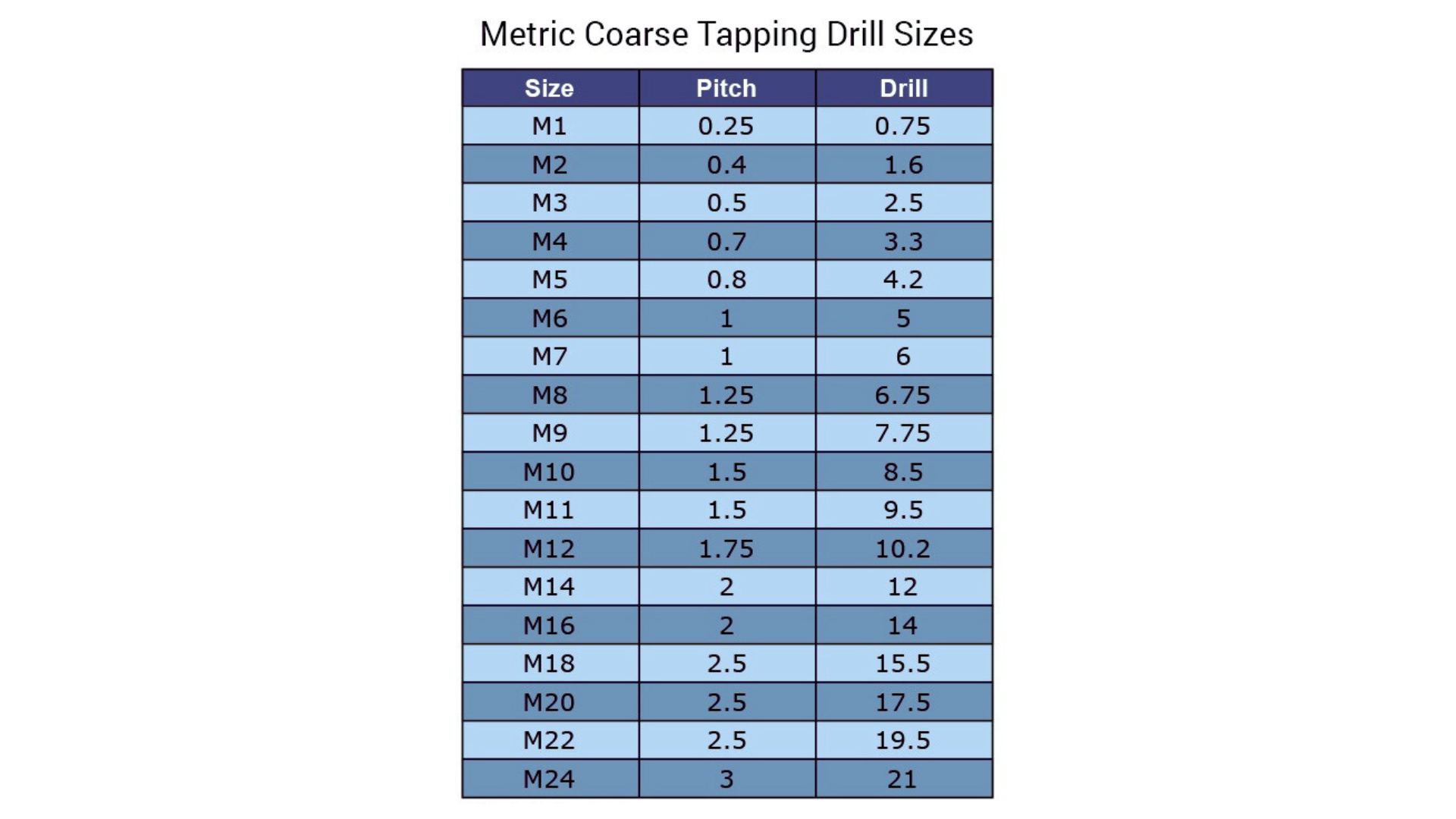
- Metric (millimeters): Used worldwide, simple and precise (for example, 3 mm, 6 mm).
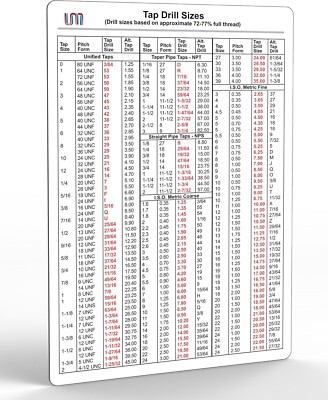
Tips for beginners: - Use a conversion chart or digital caliper for exact matches.
- When in doubt, pick the closest slightly larger pilot hole for screws.
This drill bit size guide for beginners helps you read any scale and convert fast.

Choosing the right bit size for screws and pilot holes
Match the bit to screw type and material. Here’s a simple rule of thumb.
- For softwood pilot holes: Use a bit equal to the screw’s core (minor diameter).
- For hardwood pilot holes: Use a bit slightly larger than the screw’s core to prevent splitting.
- For sheet metal: Use a bit equal to the screw’s major diameter for self-tapping screws, or follow manufacturer specs.
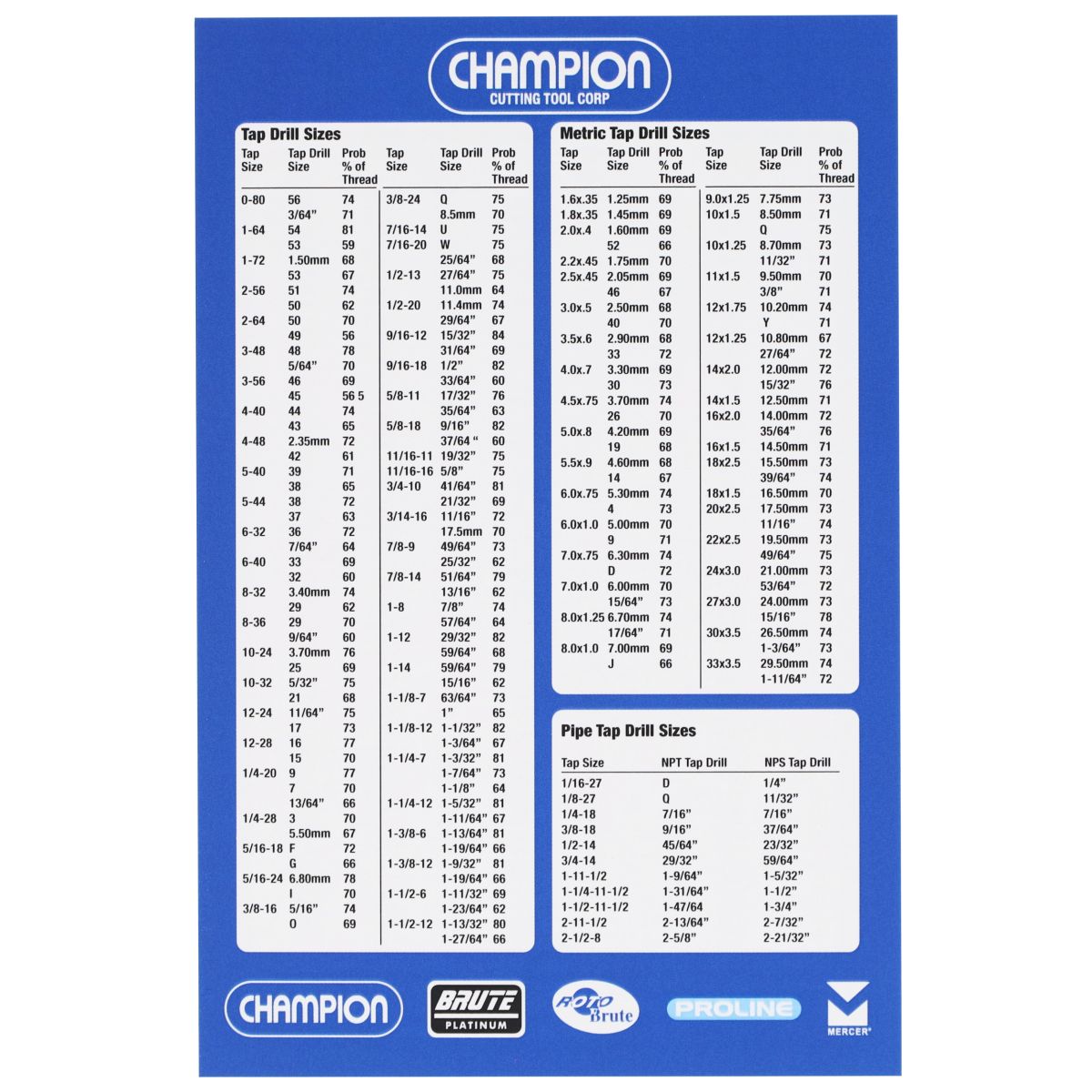
Quick pilot hole examples: - #6 wood screw: 7/64" pilot hole in softwood, 1/8" in hardwood.
- #8 wood screw: 1/8" pilot hole in softwood, 9/64" in hardwood.
- 1/4" lag screw: 3/16" pilot hole in softwood, 1/4" in hardwood.
This drill bit size guide for beginners gives clear pilot hole starts so screws hold and wood doesn’t split.
 markings and measure bits”
style=”max-width: 100%; height: auto; border: 2px solid black; border-radius: 10px; display: block; margin: 0 auto;”
loading=”lazy”
/>
How to read drill bit markings and measure bits
Bits may have stamped sizes or none at all. Here’s how to read and measure.
- Look for stamped numbers on the shank or case.
- Use a drill bit gauge or a caliper for precise measurement.
- A ruler works for rough checks; measure across the widest part of the flutes.
- Metric bits use mm markings; fractional bits often use stamped fractions or numbers.
This drill bit size guide for beginners includes simple measuring tricks you can use on the job.

Step-by-step selection guide for beginners
Follow these steps for any new drilling task. Keep it simple.
- Identify material: wood, metal, masonry, or plastic.
- Identify screw type and size or hole diameter needed.
- Choose bit type: brad-point for wood, masonry for concrete, cobalt for metal.
- Match bit diameter to required hole or pilot size with a chart or gauge.
- Set drill speed and feed rate to the material.
- Test on scrap material first to confirm fit and finish.
- Adjust bit size if pilot hole causes splitting or loose fit.
This drill bit size guide for beginners gives you a clear path from choice to finished hole.

Common mistakes and how to fix them
Beginners often repeat the same errors. Fix them quickly.
- Using the wrong bit type: Swap to a brad-point for wood or carbide for tile.
- Wrong pilot size: If the screw won’t seat, drill a slightly larger pilot hole.
- Too fast drill speed: Slow down for metal and masonry to prevent heat and damage.
- No clamp or support: Always clamp thin or small workpieces to avoid tear-out.
This drill bit size guide for beginners points out mistakes I’ve fixed many times. Learn from them.
Safety tips and best practices
Safety keeps projects going. Follow these essentials.
- Wear safety glasses and hearing protection.
- Secure work with clamps before drilling.
- Start with a small pilot hole for accuracy.
- Clear chips often; overheating dulls bits.
- Use cutting oil for metal drilling.
This drill bit size guide for beginners keeps safety simple and practical.
Personal experience and field-tested tips
When I started, I ruined two hinge holes and a handful of screws. I learned to:
- Always test on scrap.
- Mark bit sizes on my index with tape.
- Keep a small set of favorite bits for wood and metal.
One trick that saved time: line up the screw with a bit, hold both together to visually match diameter, then test. This drill bit size guide for beginners includes tips I use daily.
Quick questions beginners ask (PAA-style)
What bit should I use for a wooden shelf?
Use a brad-point or twist bit sized to the screw’s minor diameter. Drill a pilot hole to avoid splitting.
How do I drill into concrete?
Use a masonry bit with a hammer drill setting. Start slow, lift often to clear dust, and use water only if recommended for the bit.
Can I use the same bit for metal and wood?
Avoid it. Use cobalt or high-speed steel for metal and brad-point for wood for cleaner results.
Frequently Asked Questions of drill bit size guide for beginners
What is the best pilot hole size for wood screws?
Match the pilot hole to the screw’s minor diameter. For hardwood, increase by one drill size to prevent splitting.
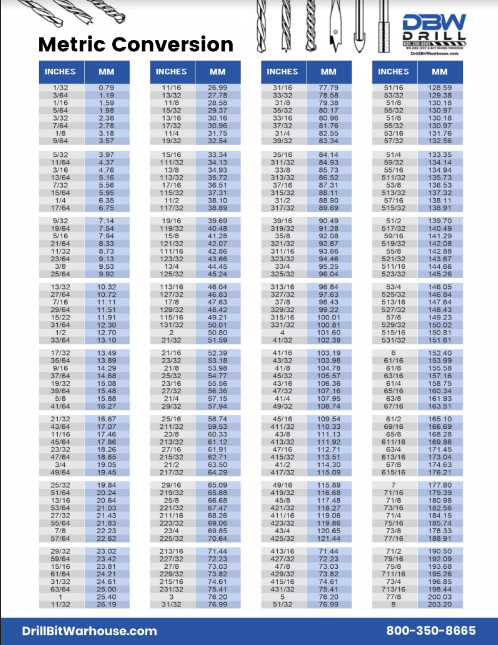
How do I convert metric bit sizes to inches?
Use a conversion chart or a caliper; 1 mm equals 0.03937 inches. Most hardware stores have conversion guides.
Should I pre-drill holes for screws in softwood?
Pre-drilling is optional in softwood for small screws but recommended for larger screws or near edges to avoid splitting.
How often should I replace drill bits?
Replace bits when they dull, burn metal, or produce ragged holes. Sharp bits cut cleaner and are safer.
What drill bit set should a beginner buy?
Start with a mixed set: fractional, metric, and a few specialty bits like masonry and brad-point. Quality over size count matters most.
Conclusion
This drill bit size guide for beginners gives clear rules, easy steps, and practical tips to pick the right bit for any job. Start with the right bit type, match diameter to screws or hole needs, and test on scrap. Try the step-by-step guide on your next project and keep a small set of trusted bits nearby. If this helped, leave a comment, subscribe for more DIY guides, or share your own drill bit questions below.